
Introduction
So, you finally got a prescription for tretinoin. Welcome to the world of one of the most studied topical retinoids in dermatology. Whether your goal is clearer skin, smoother texture, or fewer signs of photoaging, tretinoin can be an effective long-term treatment. However, learning how to use tretinoin for beginners can feel confusing at first.
Should you apply it every night? How much should you use? Do you need to wait after washing your face? What about dryness and the dreaded purge?
The good news is that your routine does not need to be complicated. A gentle cleanser, moisturizer, sunscreen, and your prescribed tretinoin are often enough to build a simple routine. This guide explains how to introduce tretinoin gradually, reduce irritation, handle common side effects, and know when to contact a dermatologist.
Medical disclaimer: This article is for educational purposes only and is not medical advice. Tretinoin is a prescription medication. Consult a dermatologist or other qualified healthcare professional before starting or changing treatment.
What Is Tretinoin and Why Do Dermatologists Prescribe It?
Tretinoin is a topical retinoid derived from vitamin A. Unlike cosmetic retinol, tretinoin is already in the retinoic acid form, so it does not need to be converted into retinoic acid by the skin.
It is commonly prescribed for acne. Tretinoin helps normalize the shedding of skin cells inside hair follicles, which can reduce clogged pores and prevent new acne lesions from forming.
The American Academy of Dermatology explains that topical retinoids such as tretinoin can help unclog pores and treat acne. American Academy of Dermatology: Acne Diagnosis and Treatment
Dermatologists may also prescribe topical tretinoin for photoaging. Research has found improvements in fine wrinkles, roughness, uneven pigmentation, and other signs of sun-damaged skin with consistent use.
Tretinoin is also different from over-the-counter retinol. The American Academy of Dermatology explains the differences between retinoids and retinol and discusses their uses for acne, pigmentation, fine lines, and wrinkles. American Academy of Dermatology: Retinoid or Retinol?
Tretinoin may help with:
- Clogged pores and blackheads
- Acne
- Uneven skin texture
- Fine lines
- Some signs of photoaging
- Certain forms of uneven pigmentation
Results take time. Tretinoin is a long-term treatment rather than an overnight skincare fix.
Before You Start: Build a Simple Routine
When learning how to use tretinoin for beginners, avoid changing your entire skincare routine at once.
A simple routine makes it easier to identify what is causing irritation.
What should you have?
At minimum, consider:
- A gentle cleanser
- Your prescribed tretinoin
- A simple moisturizer
- Broad-spectrum sunscreen
- Petroleum jelly for sensitive areas such as the lips
You may also use other skincare products, but introducing several active ingredients at the same time can make irritation harder to manage.
Should You Patch Test Tretinoin?
Patch testing can be useful for checking whether you react to a particular product, but it does not guarantee that your face will tolerate tretinoin.
Because tretinoin is a prescription medication, follow the instructions provided by your prescriber.
If you develop significant swelling, severe burning, blistering, or another concerning reaction, stop and seek medical advice.
How to Use Tretinoin at Night
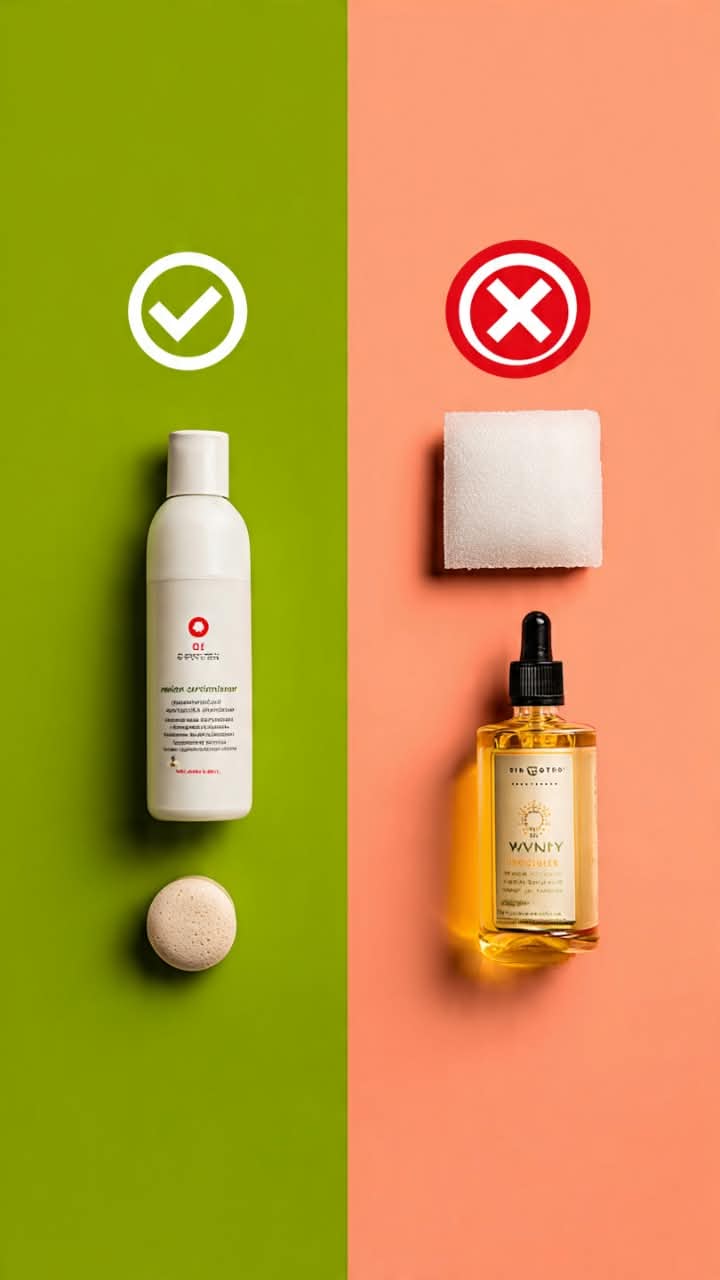
Learning how to use tretinoin for beginners becomes much easier when you follow the same basic steps each night.
Step 1: Cleanse Your Face
Wash your face with a gentle cleanser.
Avoid aggressive scrubbing. Your goal is to remove makeup, sunscreen, oil, and dirt without leaving your skin feeling stripped.
Pat your face dry with a clean towel.
Step 2: Let Your Skin Dry
Many dermatologists recommend applying tretinoin to clean, dry skin because applying it to damp skin may increase irritation for some people.
You do not necessarily need to follow a strict 20-minute timer.
If your skin is sensitive, allowing it to dry completely before application can make the treatment more comfortable.
Step 3: Apply a Pea-Sized Amount
Use approximately a pea-sized amount for the entire face unless your prescriber has given you different instructions.
Gently spread a thin layer over the treatment area.
Avoid applying tretinoin directly to:
- Eyelids
- Corners of the eyes
- Lips
- Corners of the nose
- Broken or irritated skin
More product does not mean faster results. Using too much can increase irritation.
Step 4: Moisturize
After applying tretinoin, use a gentle moisturizer if needed.
People with sensitive skin may also use a moisturizer before tretinoin. This approach is sometimes called buffering or the sandwich method.
The goal is not to make tretinoin weaker. It is to help you tolerate the treatment consistently.
Simple Beginner Night Routine
Night:
- Gentle cleanser
- Allow skin to dry
- Pea-sized amount of prescribed tretinoin
- Moisturizer
If your dermatologist recommends a different order or schedule, follow their instructions.
How Often Should Beginners Use Tretinoin?
There is no universal schedule that works for every person.
Some people can tolerate tretinoin frequently from the beginning. Others need a slower introduction.
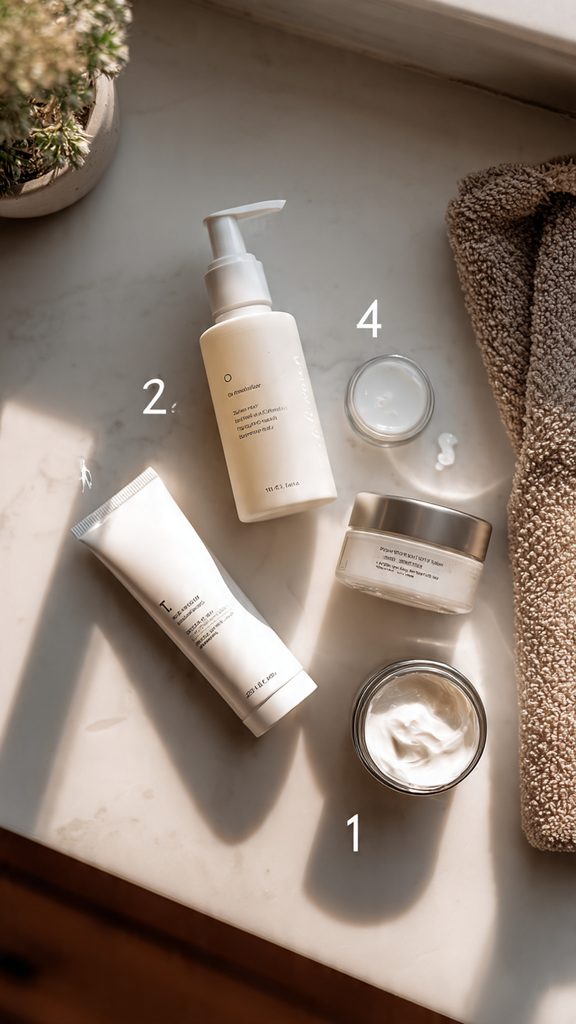
A common beginner approach is to start a few nights per week and gradually increase frequency as your skin tolerates it.
Example beginner schedule
| Period | Example frequency |
|---|---|
| Weeks 1–2 | 2 nights per week |
| Weeks 3–4 | Every other night if tolerated |
| Weeks 5–8 | Increase gradually if comfortable |
| Weeks 9–12 | Work toward the prescribed frequency |
This is an example, not a prescription.
Your dermatologist may recommend daily use, every-other-night use, or another schedule depending on your condition and the strength of your medication.
7 Common Tretinoin Mistakes Beginners Make
1. Using Too Much Tretinoin
A thick layer will not produce faster results.
Use the amount recommended by your prescriber. For facial treatment, a pea-sized amount is commonly used.
2. Applying It to Irritated Skin
Avoid applying tretinoin to severely irritated, sunburned, or damaged skin.
Give your skin time to recover and contact your clinician if irritation is significant.
3. Starting Too Frequently
Using tretinoin every night immediately may be difficult for some beginners to tolerate.
A gradual approach can make long-term use easier.
4. Skipping Sunscreen
Sun protection is an important part of any routine targeting acne or photoaging.
Use a broad-spectrum sunscreen every morning and follow the product directions for reapplication.
5. Using Too Many Active Ingredients
Tretinoin can be irritating on its own.
Adding several exfoliating acids, scrubs, or other irritating products at the same time may increase dryness and redness.
That does not mean every active ingredient is permanently incompatible with tretinoin. Ask your dermatologist how to combine treatments safely.
6. Quitting Too Early
Tretinoin takes time.
Acne improvement may begin within several weeks, but more noticeable results can take longer. Photoaging benefits generally require months of consistent treatment.
7. Waxing Treated Skin
Topical retinoids can make the skin more vulnerable to irritation from waxing.
Discuss hair-removal methods with your dermatologist or esthetician if you regularly use tretinoin.
How to Deal With the Tretinoin Purge, Peeling, and Redness
One of the biggest concerns for new users is the so-called tretinoin purge.
Some people experience an early increase in acne after starting treatment. Official prescribing information also describes an early exacerbation of acne lesions in some patients.
However, not every breakout is a purge.
Severe irritation, widespread redness, burning, cracking, or a rash may indicate that your skin is not tolerating the current routine.
Common early effects
You may experience:
- Dryness
- Peeling
- Redness
- Mild stinging
- Tightness
- Temporary acne changes
These effects can improve as your skin adjusts.
How to reduce irritation
Try keeping the rest of your routine simple.
- Use a gentle cleanser.
- Apply a fragrance-free moisturizer.
- Avoid harsh scrubs.
- Introduce other active ingredients cautiously.
- Use sunscreen every morning.
- Do not increase tretinoin frequency simply because you want faster results.
If your skin becomes severely irritated, contact your dermatologist. They may recommend reducing frequency, changing the formulation, or adjusting your treatment plan.
Can You Use Tretinoin With Vitamin C?
Yes, vitamin C and tretinoin can potentially be part of the same overall skincare routine.
A simple approach is to use vitamin C in the morning and tretinoin at night.
However, vitamin C products vary considerably in formulation and strength. If your skin is already irritated, adding another active ingredient may make symptoms worse.
Start with the basics first.
Example routine
Morning
- Gentle cleanser
- Vitamin C, if tolerated
- Moisturizer
- Broad-spectrum sunscreen
Night
- Gentle cleanser
- Tretinoin
- Moisturizer
If your dermatologist has prescribed other acne medications, follow their specific instructions.
Tretinoin Dos and Don’ts
Do:
- Use your prescribed strength and frequency.
- Apply a thin layer.
- Keep your routine simple when starting.
- Moisturize regularly.
- Wear broad-spectrum sunscreen.
- Protect sensitive areas around the lips and eyes.
- Give the treatment time to work.
- Contact your dermatologist if irritation becomes severe.
Don’t:
- Use extra tretinoin to speed up results.
- Apply it to severely irritated or sunburned skin.
- Scrub peeling skin.
- Pick at breakouts.
- Add multiple strong actives at once.
- Assume every breakout is a purge.
- Ignore severe burning, swelling, or blistering.
When Should You See a Dermatologist?
Some dryness and mild irritation can occur when starting tretinoin.
However, contact your healthcare professional if you experience:
- Severe or persistent burning
- Significant swelling
- Blistering
- Deep skin cracking
- Severe inflammation
- A concerning rash
- Severe or worsening acne
- Symptoms that do not improve after adjusting your routine
Your dermatologist can determine whether you need a lower frequency, different strength, different formulation, or another treatment.
Do not rely on someone else’s tretinoin routine simply because it worked for them. Your skin condition and treatment plan may be different.
How Long Does Tretinoin Take to Work?
Patience is one of the most important parts of tretinoin treatment.
For acne, improvement may start within several weeks, although more noticeable results can take longer.
For fine lines and photoaging, expect a longer timeline.
For example:
Want to know what results you can realistically expect? Read our guide to tretinoin before and after results and timeline to see what changes may occur from the first few weeks through six months.
Tretinoin takes time. Acne improvement may start within several weeks, while more noticeable results can take longer. For photoaging concerns such as fine lines, wrinkles, and uneven texture, consistent treatment over several months is usually needed.
Clinical studies have found meaningful improvements in signs of photodamage after months of consistent tretinoin treatment.
A realistic timeline
Weeks 1–4:
Your skin may be adjusting. Dryness, peeling, redness, or acne changes can occur.
Weeks 5–8:
Some people begin noticing improvements in acne and texture.
Weeks 9–12:
More noticeable changes may develop with consistent use.
Months 3–6:
Longer-term improvements in acne, texture, fine lines, and photoaging may become easier to see.
Results vary from person to person.
Frequently Asked Questions
Can I use tretinoin every day?
You may eventually use tretinoin as frequently as prescribed, including daily in some treatment plans. However, beginners may need a gradual introduction to improve tolerance. Follow your dermatologist’s instructions rather than copying another person’s schedule.
Can I use tretinoin with vitamin C?
Vitamin C and tretinoin can potentially be used in the same overall routine. Many people use vitamin C in the morning and tretinoin at night. If irritation develops, simplify your routine and speak with your dermatologist.
How long does tretinoin take to work?
Acne may begin improving after several weeks, while more significant results can take longer. Improvements in photoaging and fine lines generally require consistent treatment over several months.
Does tretinoin always cause a purge?
No. Some people experience an early acne flare, while others do not. Irritation can also cause redness and bumps that may be mistaken for purging. Persistent or severe acne should be discussed with a dermatologist.
Can I use tretinoin if my skin is sensitive?
Some people with sensitive skin can use tretinoin successfully, but they may need a lower strength, less frequent application, or a more supportive moisturizing routine. A dermatologist can help determine the most appropriate approach.
Final Thoughts
Learning how to use tretinoin for beginners is mostly about finding a routine your skin can tolerate consistently. Start with a simple cleanser, your prescribed tretinoin, moisturizer, and daily sunscreen. Avoid the temptation to apply more product or increase frequency quickly.
Some dryness or peeling can occur during the adjustment period, but severe irritation should not be ignored. Give tretinoin time to work, and remember that meaningful acne and anti-aging results often take months rather than days.
For more practical guidance, read our upcoming Tretinoin Purge guide and Tretinoin Before and After Timeline article to learn what to expect at each stage of treatment.
Medical disclaimer: This article is for educational purposes only. It is not medical advice. Consult a dermatologist before starting, stopping, or changing tretinoin treatment.