Starting tretinoin can feel exciting—until your skin starts peeling, turning red, or breaking out more than usual. If you’re dealing with tretinoin side effects, you’re probably wondering whether your skin is adjusting normally or whether something has gone wrong.
The good news is that dryness, irritation, peeling, and an early worsening of acne can occur when starting topical retinoids. Severe or persistent reactions, however, deserve medical attention.
This article was reviewed for medical accuracy.
Tretinoin is a prescription topical retinoid commonly used for acne treatment and other dermatologist-guided skin concerns.
This guide explains the tretinoin purge, retinization, realistic timelines, and practical ways to protect your skin barrier.
This is not medical advice. Consult a dermatologist for advice specific to your skin and prescription.
What Is Tretinoin and What Does It Do?
Tretinoin is a topical retinoid related to vitamin A. It is available in prescription formulations and is commonly used as part of acne treatment.
If you’ve searched what is tretinoin used for, the simplest answer is that it can help address clogged pores and acne. Topical retinoids may also be used for concerns such as uneven skin tone and fine lines under appropriate medical guidance.
According to board-certified dermatologists, topical retinoids are commonly included in evidence-based acne treatment plans.
A tretinoin prescription may come in different formulations and strengths, depending on your skin concern and your clinician’s treatment plan.
What is tretinoin cream used for?
So, what is tretinoin cream used for?
Tretinoin is primarily used to treat acne vulgaris. It can help prevent pores from becoming clogged, making it useful for blackheads and whiteheads.
Common tretinoin cream USP uses may include:
- Treating acne vulgaris
- Helping prevent clogged pores
- Supporting long-term acne management
- Improving some visible signs of photoaging in appropriate prescribed formulations
The exact use depends on the product and prescription you receive.
How does tretinoin work?
Many people ask, what does tretinoin do at a cellular level?
Tretinoin affects how skin cells behave and helps increase the turnover of surface skin cells. It also helps reduce the buildup of dead skin cells inside pores.
In simple terms, how does tretinoin work?
It encourages more regular skin-cell turnover and can help keep pores from becoming blocked.
The downside is that your skin often needs time to adapt.
Tretinoin vs Retin-A Cream: What’s the difference?
Retin-A cream is a brand name historically associated with tretinoin. Tretinoin is the active ingredient.
In other words:
- Tretinoin = the medication’s generic name
- Retin-A = a brand name associated with tretinoin products
Different products may contain the same active ingredient but use different vehicles, such as creams, gels, or lotions.
Always follow the instructions provided with your specific prescription.
What Is Tretinoin Purge and Retinization?
The phrase tretinoin purge describes a temporary period when acne may appear to worsen after starting treatment.
Another important term is retinization.
Retinization is the adjustment period during which your skin becomes accustomed to a topical retinoid. During this phase, some people experience dryness, redness, stinging, or peeling.
Not every breakout during the first few weeks is necessarily a purge.
Acne can worsen for several reasons, and significant irritation can sometimes mimic or aggravate existing skin problems.
Why does purging happen?
Tretinoin changes the way skin cells turn over and helps prevent clogged pores.
Some people may notice existing clogged pores becoming more visible during the early stages of treatment.
This doesn’t mean that every new pimple proves the treatment is working.
A typical adjustment period may involve:
- Breakouts in areas where you normally get acne
- Increased dryness
- Mild irritation
- Temporary skin flaking
If you’re developing painful rashes, swelling, blisters, or severe irritation, that’s not something to simply push through.
Speak with your prescribing healthcare professional.
How long does tretinoin purge last?
So, how long does tretinoin purge last?
There is no identical timeline for everyone. Some people experience little or no noticeable purging, while others see temporary worsening during the first several weeks.
According to the NHS, acne treatments can take time before improvement becomes noticeable.
A practical approach is to reassess persistent worsening with your prescribing clinician rather than assuming every breakout is a normal purge.
6 Most Common Tretinoin Side Effects
The most frequently discussed tretinoin side effects are local skin reactions.
These reactions may become more manageable as the skin adjusts, especially when treatment is used according to a clinician’s instructions.
1. Dryness and Peeling
Tretinoin dryness is one of the most common early complaints.
Your skin may feel tight, rough, or uncomfortable. You might also notice visible tretinoin peeling, especially around the mouth and nose.
What may help?
- Use a gentle cleanser.
- Apply a suitable moisturizer.
- Use tretinoin only as directed.
- Ask your dermatologist whether your routine needs adjustment.
Moisturizers from brands such as CeraVe, Vanicream, and La Roche-Posay are examples of products people may consider for supporting dry or sensitive skin.
The best choice depends on your individual skin and sensitivities.
2. Redness and Irritation
Redness, mild burning, and stinging can occur during retinization.
However, there’s a difference between mild adjustment and severe irritation.
Contact a healthcare professional if you experience:
- Significant swelling
- Blistering
- Crusting
- Severe or persistent burning
- Significant pain
These symptoms should be assessed rather than ignored.
3. Tretinoin Purging and Breakouts
A tretinoin purge can be emotionally frustrating.
You’ve started treatment to improve your acne, so seeing more breakouts can feel like the exact opposite of progress.
Look at the pattern.
Breakouts occurring in your usual acne-prone areas may be part of the adjustment period.
Breakouts in entirely new locations, especially when combined with severe irritation, deserve a closer look.
Don’t automatically increase the amount of medication.
Using more than prescribed may increase redness and peeling without speeding up results.
4. Sun Sensitivity
Tretinoin-treated skin may be more susceptible to irritation from sun exposure.
That’s why sun sensitivity and sun protection guidance are important topics to understand when using topical acne treatments.
General sun-protection measures may include:
- Broad-spectrum sunscreen
- Appropriate SPF for your skin and exposure
- Protective clothing when appropriate
- Seeking shade when possible
Follow your prescriber’s instructions and the directions for your specific product.
5. Skin Flaking
Skin flaking is closely related to dryness and changes in surface skin-cell turnover.
You may notice flakes around:
- The nose
- The mouth
- The chin
- Dry patches on the cheeks
Don’t scrub the flakes aggressively.
Harsh exfoliation may worsen irritation. A gentle routine and appropriate moisturizer may be more suitable.
6. Initial Worsening of Acne
Early acne worsening can happen, but persistent deterioration should not automatically be labeled a purge.
If your acne becomes severe, painful, or continues to worsen, speak with your dermatologist or prescribing clinician.
Your treatment plan may need reassessment.
Tretinoin Purge Timeline: Week by Week
The following timeline is a general guide, not a guarantee.
Your experience may be faster, slower, or different.
| Timeline | What You May Notice | What to Focus On |
|---|---|---|
| Weeks 1–2 | Dryness, mild redness, early flaking | Gentle routine and moisturizer |
| Weeks 3–6 | Possible breakout increase and irritation | Avoiding overuse and monitoring irritation |
| Weeks 6–12 | Skin may begin adapting and acne may improve | Following your prescribed plan |
| 3+ months | Longer-term changes may become more noticeable | Ongoing medical guidance and sun protection |
Weeks 1–2: The Adjustment Phase
The first two weeks are often when tretinoin side effects become noticeable.
Your skin may feel:
- Dry
- Tight
- Slightly sensitive
- Mildly flaky
This is when many people make a common mistake: they use more product because they don’t see immediate results.
Don’t.
Tretinoin isn’t a “more is better” treatment.
Weeks 3–6: The Purge Peak
For some people, weeks three through six can be the most frustrating period.
You may notice:
- More visible breakouts
- Increased dryness
- Tretinoin peeling
- Redness
Not everyone experiences a dramatic purge.
That’s important to remember.
If your skin becomes intensely painful or inflamed, contact your prescriber rather than forcing yourself through severe irritation.
Weeks 6–12: Skin Starts to Clear
By this stage, some people find that their skin has started adapting to treatment.
You may notice:
- Less irritation
- Fewer new breakouts
- Smoother texture
- Gradual improvement in clogged pores
According to board-certified dermatologists, acne treatment plans should be evaluated based on your individual skin response rather than a single universal timeline.
Internal reading: If you’re unsure about your routine, read our guide on how to use tretinoin for beginners.
3+ Months: Long-Term Results
Long-term results depend on why you’re using tretinoin, the formulation, your skin type, and how consistently you can tolerate treatment.
For many users, patience becomes the hardest part.
Don’t chase overnight results.
A steady, dermatologist-guided routine is generally more useful than repeatedly changing products.
For a closer look at realistic progress expectations, see our tretinoin before and after results.
7 Dermatologist-Approved Tips to Survive the Purge 🙂
These general strategies may help reduce irritation, but your prescribing dermatologist’s instructions should always come first.
1. Use the Sandwich Method
The sandwich method generally involves:
- Applying moisturizer
- Applying tretinoin as directed
- Applying another layer of moisturizer if advised
Using moisturizer before or around a retinoid may help some people tolerate treatment better.
Ask your dermatologist whether this approach is suitable for your prescription.
2. Pea-Sized Amount Only
When learning how to apply tretinoin, more product isn’t better.
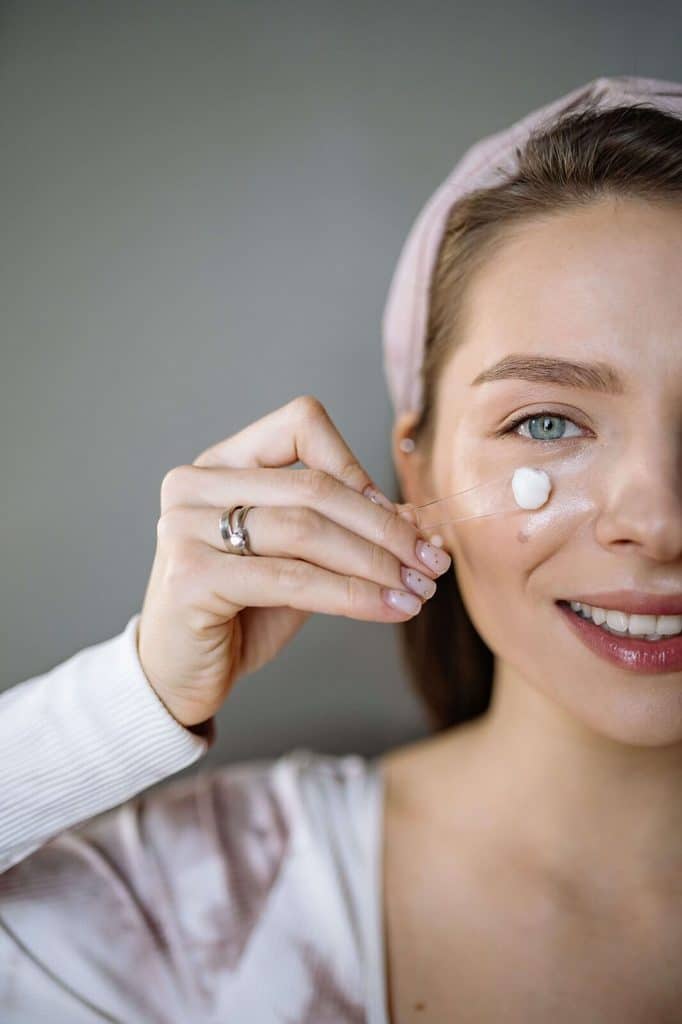
A small amount is generally used for the treatment area, following your prescription instructions.
Applying excessive amounts can increase redness, peeling, and discomfort.
3. Stick to a Gentle Skincare Routine
During retinization, simple is often better.
Consider using:
- A mild cleanser
- A fragrance-free moisturizer
- Daily sun protection
This isn’t always the best time to experiment with multiple new acids, scrubs, and aggressive treatments.
4. SPF 30+ Is Non-Negotiable
Daily sun protection is an important part of a tretinoin routine.
Tretinoin may increase susceptibility to sun-related irritation and burning.
Use sunscreen according to the product directions and consider your level of sun exposure.
5. Avoid Other Irritating Actives
Depending on your skin and dermatologist’s plan, combining multiple potentially irritating products can make dryness worse.
Be cautious with:
- Strong exfoliating acids
- Abrasive scrubs
- Alcohol-heavy products
- Other irritating skincare treatments
Don’t stop prescribed treatments without medical guidance.
6. Moisturize Consistently

A good moisturizer can make the adjustment period more manageable.
Examples include products from:
- CeraVe
- Vanicream
- La Roche-Posay
You don’t necessarily need the most expensive product.
The goal is to support your skin barrier and reduce uncomfortable dryness.
7. Be Patient
Tretinoin is generally considered a long-term treatment.
Give your skin time to adapt.
At the same time, patience doesn’t mean ignoring severe symptoms.
If something feels seriously wrong, speak with a healthcare professional.
What Are the Dangers of Using Tretinoin?
Tretinoin can cause local skin irritation, particularly during the adjustment period.
Potential concerns may include:
- Significant redness
- Severe peeling
- Blistering or crusting
- Increased sun sensitivity
- Changes in skin pigmentation in some individuals
Pregnancy is another important consideration.
People who are pregnant, planning pregnancy, or concerned about pregnancy should discuss tretinoin and other retinoids with a qualified healthcare professional.
Can tretinoin damage my skin?
Used incorrectly or when poorly tolerated, tretinoin can cause significant irritation and temporarily affect the skin barrier.
However, irritation doesn’t automatically mean permanent skin damage.
Severe or persistent reactions should be assessed by a healthcare professional.
Don’t try to tough it out through blistering, severe pain, or major swelling.
What organ does tretinoin affect?
Topical tretinoin mainly acts in the skin, where it is applied.
It is different from oral isotretinoin, which is a separate medication with different systemic effects and monitoring requirements.
If you have concerns about absorption, pregnancy, breastfeeding, or other health conditions, discuss your specific situation with your dermatologist or prescribing clinician.
Who Should NOT Use Tretinoin?
Tretinoin isn’t suitable for everyone.
People who should discuss alternatives or seek specific medical advice include those who:
- Are pregnant or planning pregnancy
- Have experienced hypersensitivity to the medication
- Have severe irritation
- Have severely compromised or sunburned skin
- Have other skin conditions that may require an individualized treatment approach
The American Academy of Dermatology provides dermatologist-reviewed information on acne, retinoids, and pregnancy-related skincare concerns.
Who doesn’t need tretinoin?
Not everyone needs tretinoin.
If you have no acne or skin concern requiring treatment, there’s no medical requirement to use a prescription retinoid.
A simpler skincare routine may be enough for your goals.
The best treatment is the one that matches your skin’s needs—not simply the one trending online.
Who Benefits Most From Tretinoin?
Tretinoin may be considered for people with acne and certain other skin concerns when prescribed appropriately.
According to board-certified dermatologists, treatment decisions should take into account an individual’s skin condition, medical history, goals, and ability to tolerate the medication.
Who benefits from tretinoin?
People who may benefit include those dealing with:
- Blackheads
- Whiteheads
- Mild to moderate acne
- Clogged pores
- Certain pigmentation or photoaging concerns, depending on the formulation
A dermatologist can determine whether tretinoin is appropriate for your particular concern.
Is 40 too late to start tretinoin?
No. Age alone doesn’t determine whether tretinoin is appropriate.
Someone in their 40s may still benefit from a dermatologist-guided treatment plan for acne or other appropriate skin concerns.
Your skin condition, sensitivity, medical history, and goals matter more than your age alone.
Tretinoin FAQs: Everything You’re Afraid to Ask
Can tretinoin make you gain weight?
There is no established reason to expect topical tretinoin to cause weight gain. It is applied to the skin and is different from systemic medications that may affect the body more broadly.
If you experience unexpected symptoms, speak with a healthcare professional rather than assuming the cause.
Why is tretinoin not recommended?
Tretinoin isn’t appropriate for every person because it can cause irritation, dryness, and increased sensitivity to sunlight.
It is also generally avoided during pregnancy. A healthcare professional can weigh potential benefits and risks for your individual situation.
Do celebrities use tretinoin?
Some celebrities and public figures have discussed prescription retinoids or retinol-based skincare.
However, celebrity skincare routines aren’t medical evidence. Whether a celebrity uses tretinoin doesn’t determine whether it is appropriate for your skin.
When to See a Dermatologist
Mild dryness and temporary flaking can happen during the adjustment period.
However, seek medical advice if you experience:
- Severe burning
- Significant swelling
- Blistering
- Crusting
- Severe pain
- Persistent worsening of acne
- Signs of an allergic reaction
- Concerns about pregnancy or breastfeeding
You should also see a dermatologist if you’ve tried to manage tretinoin side effects but your skin remains persistently irritated.
Sometimes the answer isn’t quitting forever.
A healthcare professional may reassess:
- Your formulation
- Your strength
- Your application frequency
- Other products in your skincare routine
Conclusion: Push Through the Purge for Clear Skin
Experiencing tretinoin side effects can be frustrating, especially when dryness, peeling, or breakouts appear shortly after you start treatment.
Mild irritation during retinization doesn’t automatically mean tretinoin is harming your skin.
However, severe symptoms should never be ignored.
Keep your routine simple, follow your prescription instructions, moisturize consistently, and take sun protection seriously.
If your skin is struggling, speak with your prescriber or dermatologist. With appropriate medical guidance, many people can find a routine that makes tretinoin treatment more comfortable and sustainable.
Medical Disclaimer
This article is for educational purposes only and was reviewed for medical accuracy. Tretinoin is a prescription medication. Consult a board-certified dermatologist or other qualified healthcare professional before use.